

We’re excited to share the final projects from the 13 Fellows in I Love My Gig Ontario 2025. Each Fellow took time to look back on their pandemic experiences and explore what care can look like now and in the future. The Fellows call on us to help carry their wisdom forward and let it guide how we care for one another in the years ahead.
Our thanks to the Care Team for their vital support. We also thank the Canada Council for the Arts, Government of Canada, Ontario Arts Council, and Government of Ontario for their generous funding.
For a more detailed counterpoint, read our Founder’s reflection at the bottom of this page.
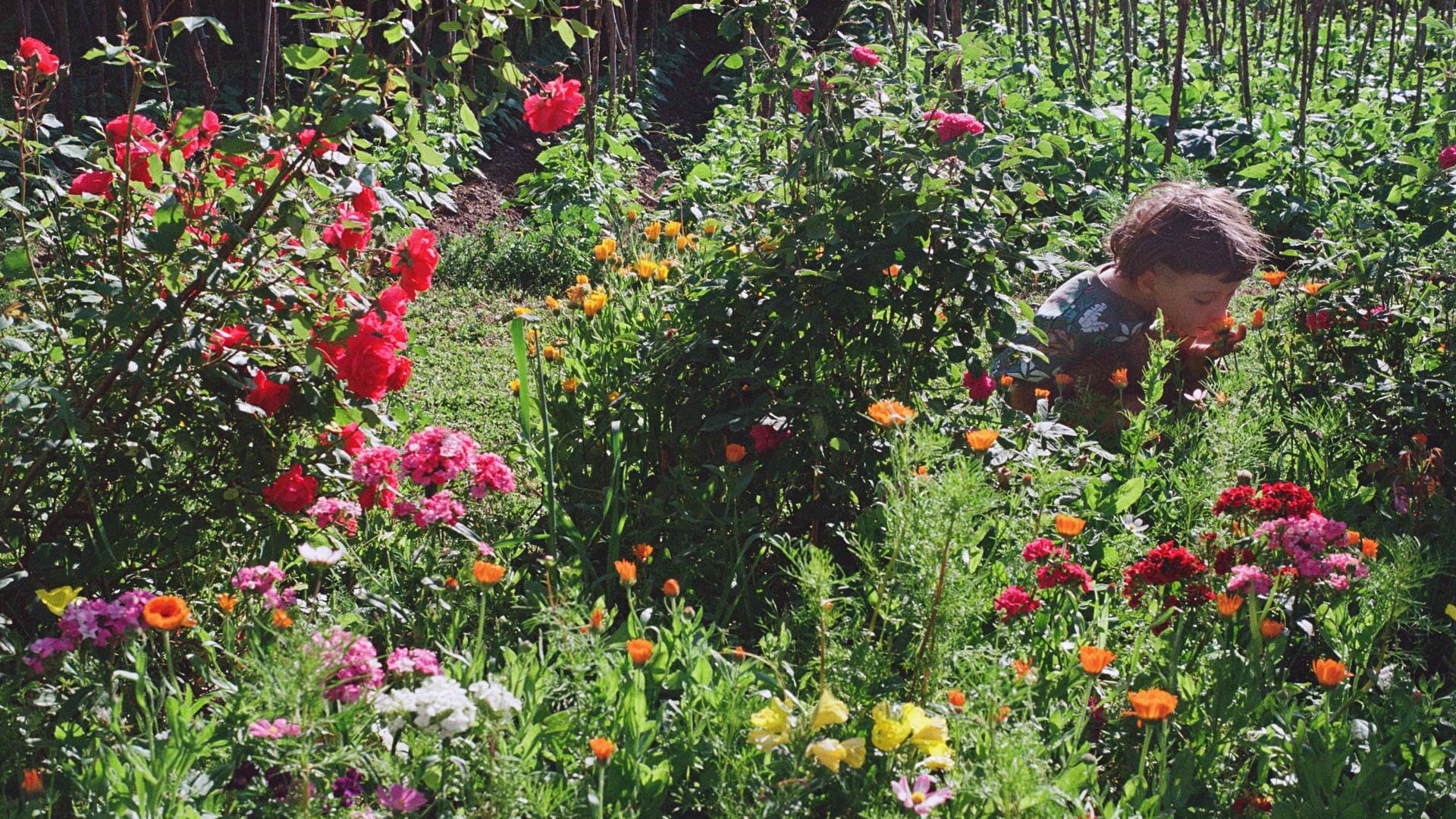
Bad for Business
By Kamee Abrahamian
February 4, 2026
This piece is a poetic reflection on care, creativity, and politicized artmaking. It is rooted in diasporic experience, burnout, and belonging. It weaves personal narrative, community visioning, and a residency experiment into a call for relational, rest-centered cultural work.
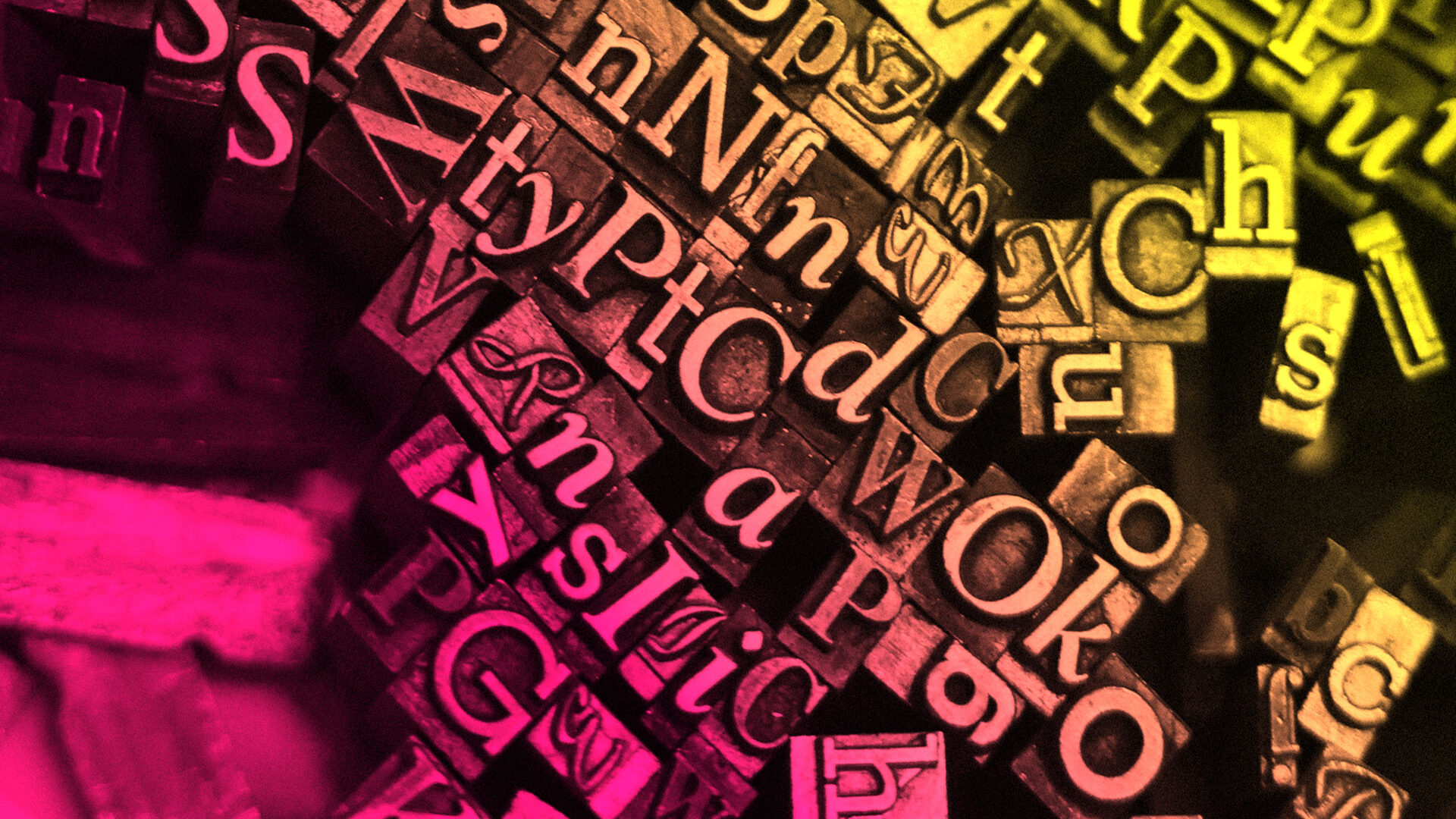
Alphabetical Order
By Abhimanyu
February 4, 2026
An A to Z of one tweet’s COVID fallout: anxiety, threats, Poha breakfasts, love and therapy, all guiding a gentle decision about where home, safety, and a future can still exist.
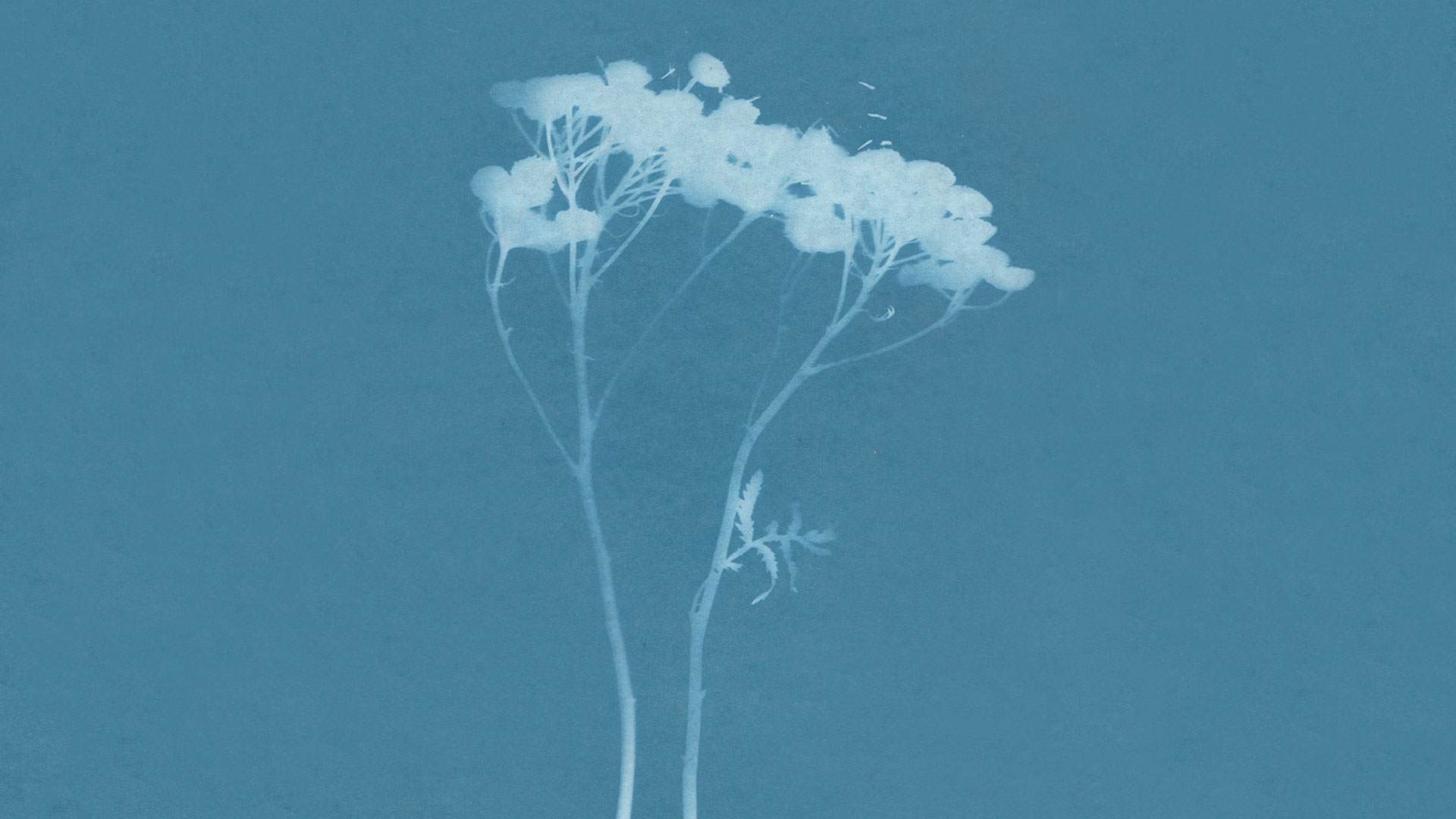
Care as Resistance
By Claudia Arana
February 4, 2026
This work-in-progress is a collection of poems, essays, and curatorial writing that explores how artists use care as a way to heal, connect, and stand up to harmful systems.
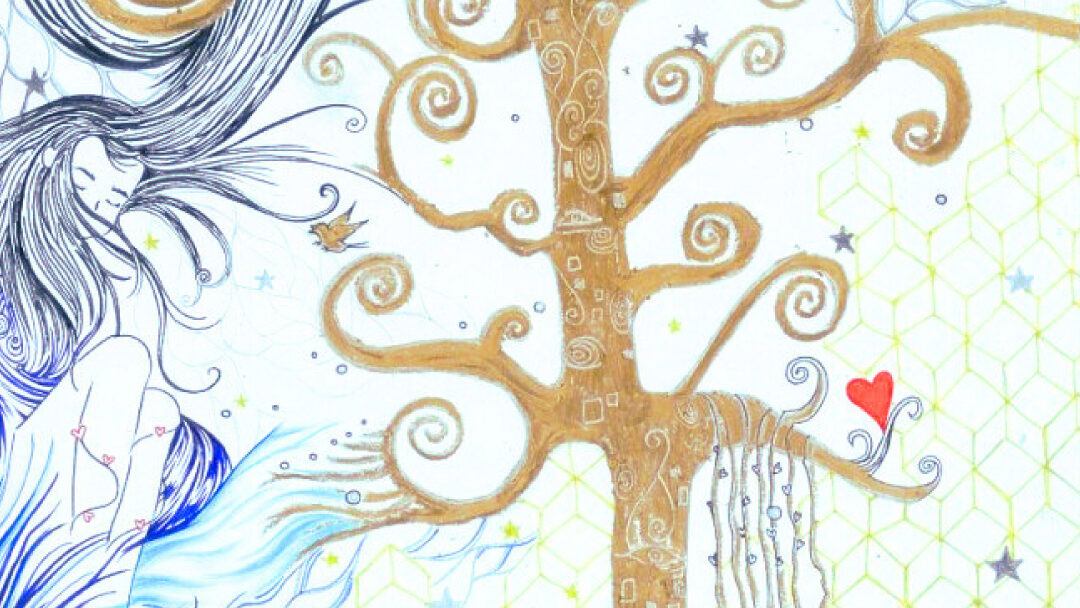
Love Notes to a New Parent
By Jayal Chung
February 4, 2026
A zine on queer parenting through the pandemic that features illustrations, prompts, and excerpt writing entries.
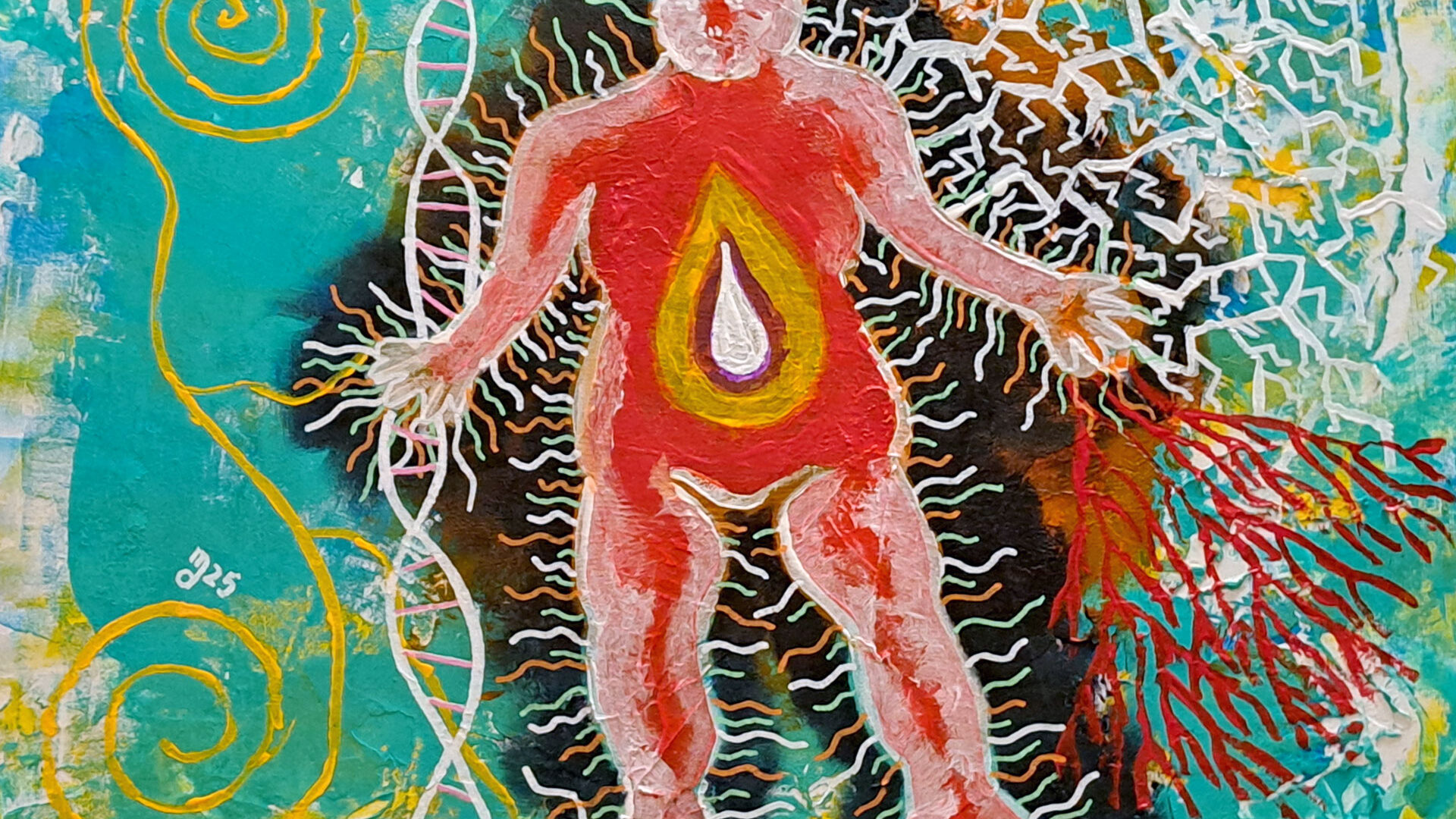
The Secret Gift and Life Becoming
By Michele Anne-Marie Dickson
February 4, 2026
This work reflects on how the pandemic has changed daily life and creative work, exploring resilience, inner energy, and ways of connecting with and caring for others during future challenges.

Elemental Remembrance
By LOR
February 4, 2026
A reflective work shaped by pandemic solitude, drawing on nature and the elements to explore resilience, connection, and a sense of belonging beyond isolation.
Everyone’s Child Matters
By Star Nahwegahbo
February 4, 2026
A reflective story using art to process loss after the pandemic, honouring a loved one and calling for compassion, accountability, and being a safe place for others.

Wild Offerings
By Jillian Peever
February 4, 2026
A reflective account of post‑pandemic artistic practice that uses nature, movement, and self‑care to explore sustainable ways of working, reconnecting, and building capacity for care, community, and resilience during future crises.
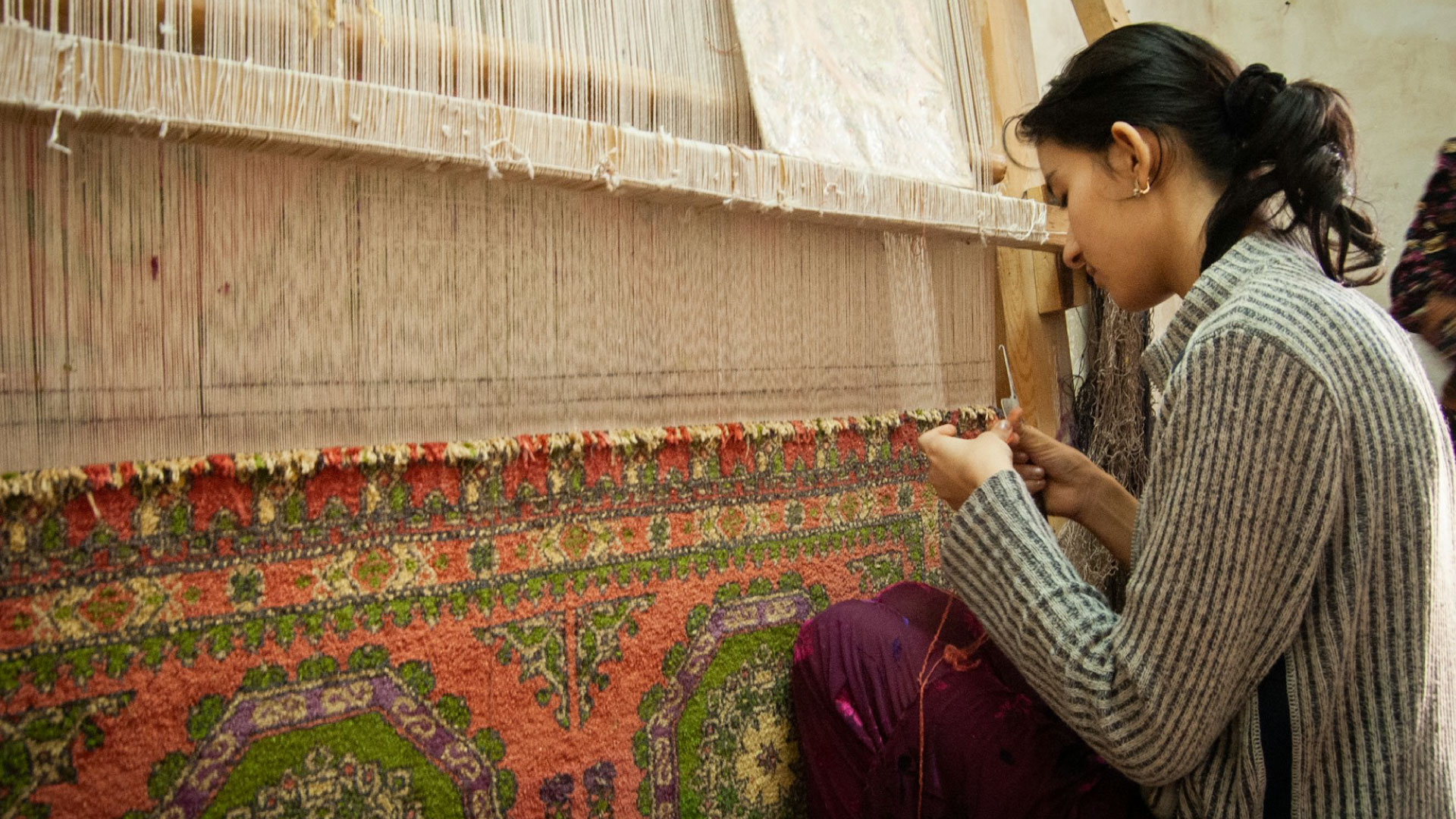
Future … The Blank Canvas
By Rojin Shafiei
February 4, 2026
Inspired by COVID-19, this work imagines a fairer world in crisis. It addresses inequality, grief, and recovery, highlighting art as a tool for care, resilience, and connection in uncertain times.
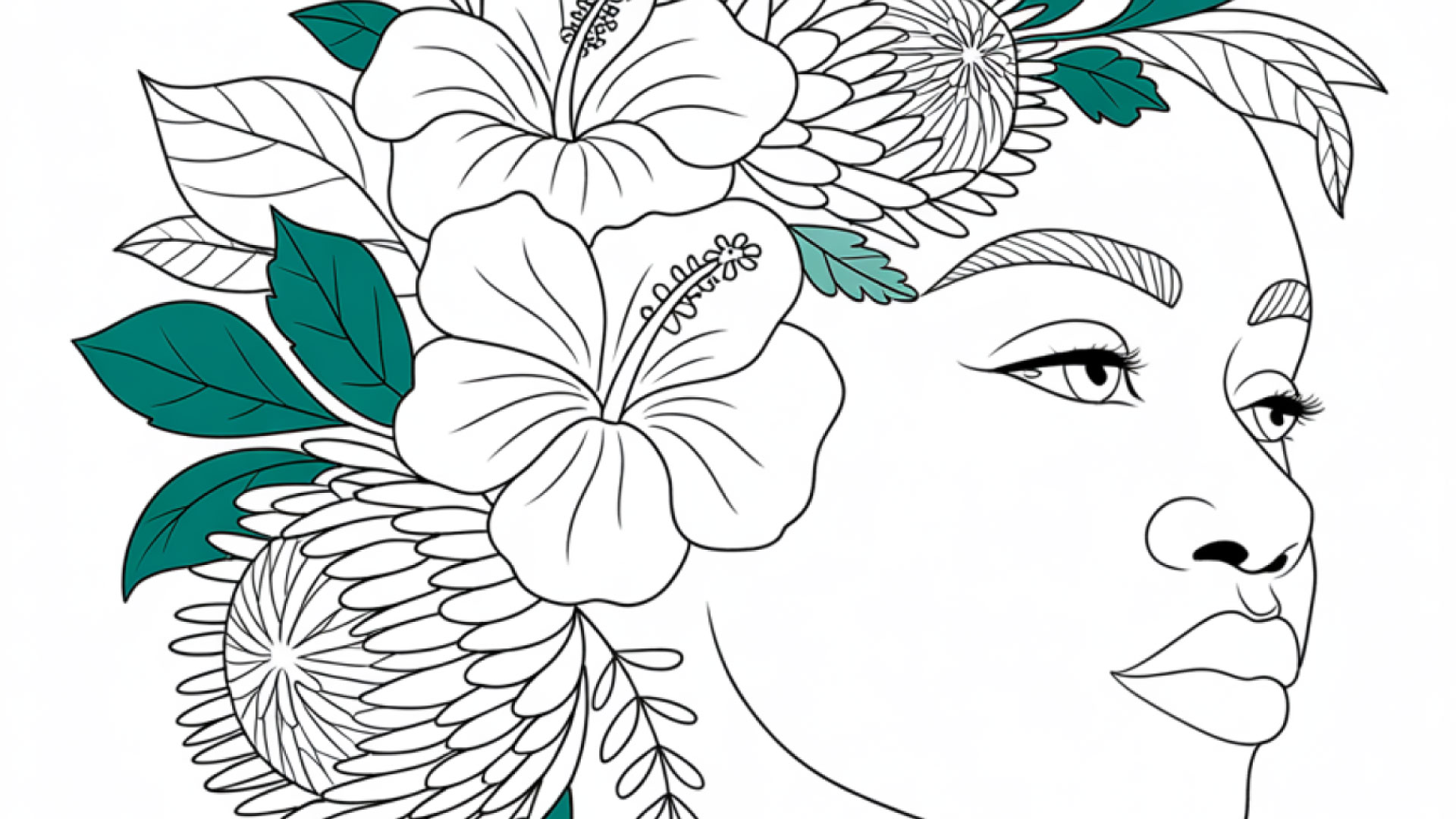
Bloom Anyway
By Affrica Spence
February 4, 2026
A colouring, poetry, and mini mental health booklet inspired by the experiences of Black and Disabled women during the pandemic.
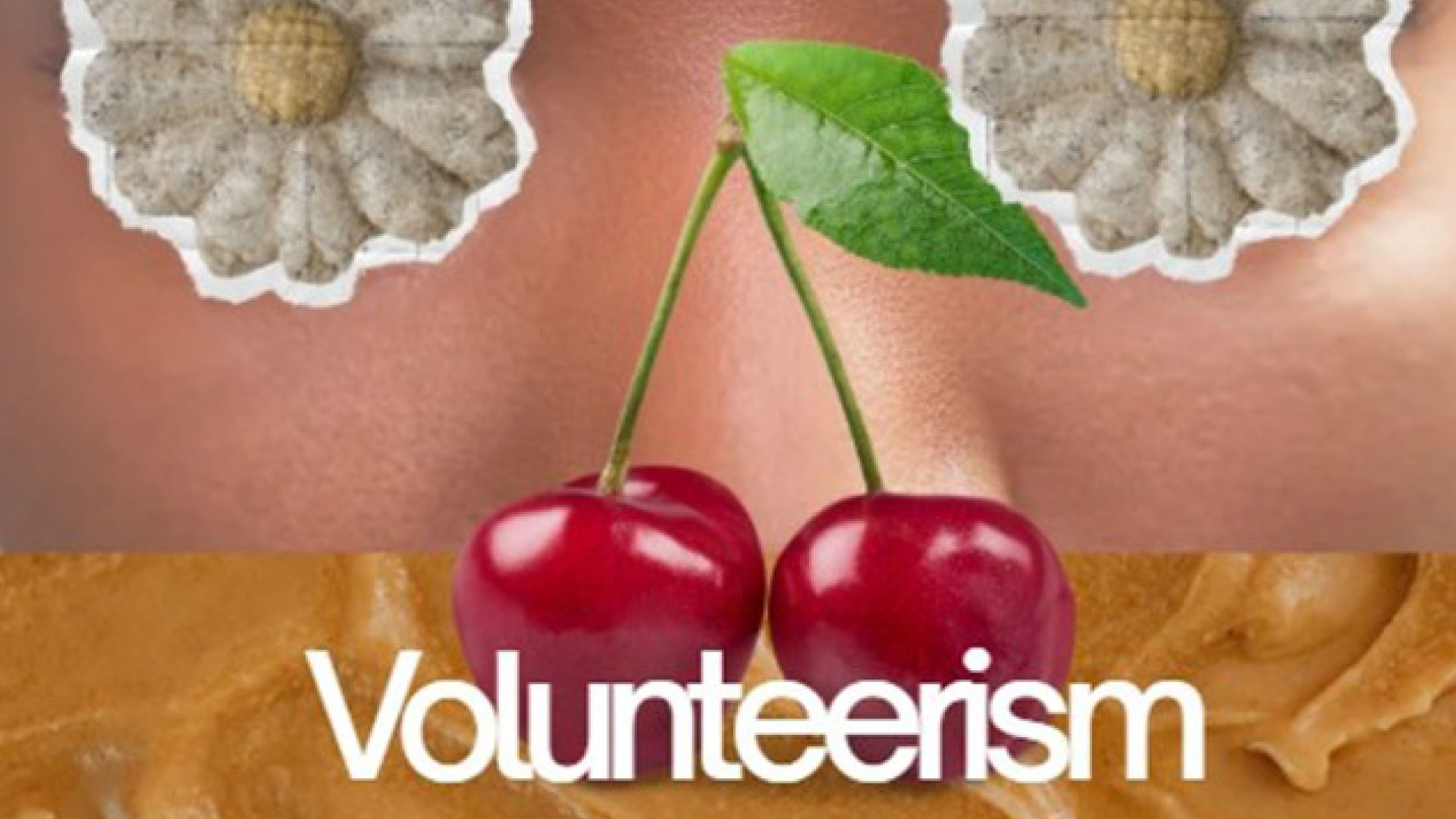
Exploring Care-Based Futures
By Amanda Tkaczyk
February 4, 2026
A creative guide re-imagining volunteering in Ontario, offering practical tools to address challenges while supporting care, resilience, and new paths away from burnout.
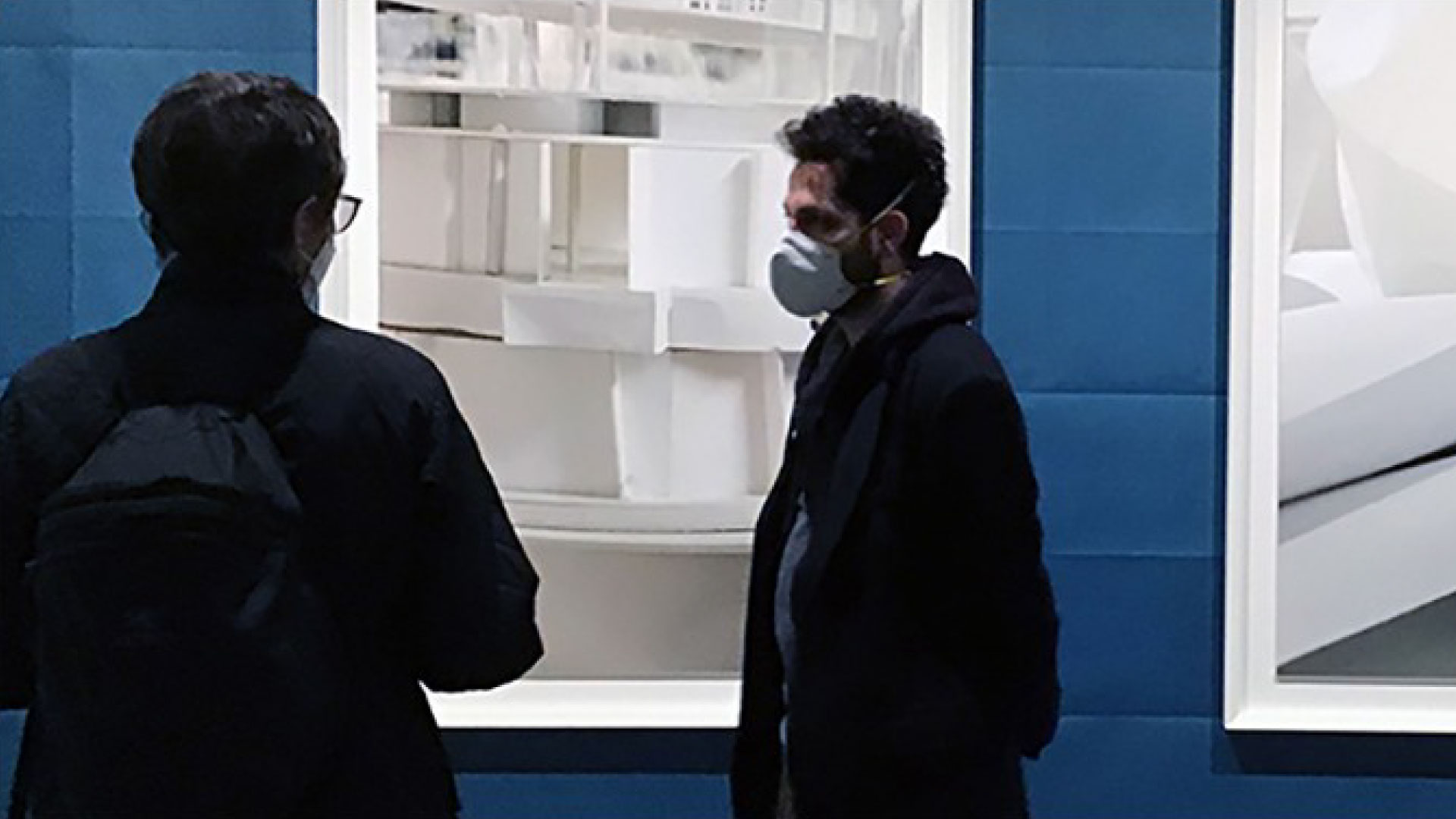
Masked Mondays
By Aquil Virani
February 4, 2026
Masked Mondays promotes regular mask-mandatory times at cultural venues, helping make arts spaces safer and more accessible for everyone through a focus on care, inclusion, and shared responsibility.

Plate Spinner
By Velvet Wells
February 4, 2026
This project challenges productivity culture and embraces rest, accessibility, and community care. It explores disability awareness and Afrofuturist visions to imagine healthier, more sustainable ways of creating and connecting.
Founder’s reflection
Looking back, looking forward
This fellowship began five years to the day after the first pandemic lockdowns in Ontario.
With that distance, Fellows were able to look back with honesty and look forward with hope. Many shared how meaningful it was to gather with others who understood their lived experiences. One person said it felt rare to be in a space where they “did not have to translate” themselves before speaking. Nurtured with support from the Care Doulas, that trust allowed a sense of creativity, relief, and shared humanity to take root quickly.
Their stories held a grounded urgency shaped by everything they carried into the room. Even with uncertainty still shaping daily life, the Fellows imagined pathways to caring futures that felt practical and possible. They did this not by making grand declarations but by noticing what helped them endure and what might support others next time.
The pandemic did not end all at once
One thing became clear early in the fellowship: the pandemic does not sit in the past for everyone. Some Fellows described “still adjusting life around risk,” while another said, “It never really ended. We just had to learn how to move through it.” COVID continues to shape health, income, stability, and community for many people.
Alongside this, global conflicts, climate disasters, political shifts, and economic pressure form a backdrop that affects how safe or supported people feel. One participant described it as “the world feels like it is on fire in more ways than one.” These overlapping pressures deepen the challenges faced by communities already harmed by inequities. Any planning for future crises must begin with the recognition that our current crisis has not fully ended.
A generous body of creative work
Together, the Fellows shared more than 27,500 words, including 22 poems, along with more than 100 audiovisual pieces, including artworks, photographs, illustrations, and 25 minutes of video and sound. These projects became a way to process feelings about the pandemic while navigating many other pressures at the same time. One person shared that making things was “the only way I could make sense of the constant crisis,” while another said the fellowship was “one place where I feel at peace.”
Their work did not follow a single format. It included essays, poetry, documentation, and creative experiments. What united them was the honesty of the reflections and the clarity of the care they were trying to grow.
A cohort shaped by many lived realities
The Fellows brought a wide mix of identities and experiences, including Racialized and Indigenous people, Disabled and Deaf participants, Women, trans, and nonbinary people, 2SLGBTQIA+ participants, Youth, caregivers, parents, and gig workers from suburban, rural, and remote communities. They came from Southeastern, Southwestern, and Northern Ontario, including London, Hamilton, Cambridge, Toronto, York, Scarborough, Markham, Richmond Hill, Demorestville, Wellington, Ottawa, Burk’s Falls, Manitoulin Island, and Thunder Bay. Many said it was the first time in a long time they felt “reflected in the room.”
This mattered. It helped create a space where no one had to explain why today might be hard or why certain risks still shape their decisions. That sense of shared understanding created the foundation for deeper care and creative exploration.
Emotional clarity and honest storytelling
Fellows spoke openly about burnout, caregiving pressures, disability, chronic illness, grief, joy, and the ongoing instability of gig work. One person said, “I am still trying to process what I went through,” a feeling that echoed through the group. Their reflections grounded the fellowship in the reality of what it takes to survive prolonged disruption while still trying to create.
Even though this was a creative program, the emotional work was real. Many people talked about the small, daily negotiations required to simply show up. Their honesty is a reminder that care must include rest, flexibility, and permission to be unfinished.
Living through crisis in a world that has moved on
Many Fellows described a sense of living in “one crisis after another” while the world around them seemed eager to move on. They talked about long term impacts on health, income, and access, and how these pressures stack with housing shortages, rising costs, climate events, and social fragmentation. One person noted that even acknowledging some crises “feels like a luxury” when survival needs are overwhelming.
This reinforced a key lesson: care cannot be based on assumptions of stability. It must be designed for people navigating uneven ground.
The weight carried by creative caregivers
Many Fellows were already caring for others while barely holding themselves together. One said, “A lot of us are caring for others while barely holding ourselves.” Parents, educators, frontline workers, and community organizers all described the strain of meeting urgent needs without enough support.
These stories highlight how dependent our systems are on individuals who are already stretched thin. Future crisis planning must include real support for the people doing this invisible labor.
Suggestions we can act on
Several Fellows highlighted practical ideas for strengthening care in future crises. Many spoke about the importance of small relational networks and mutual-aid approaches that helped them stay connected when formal systems were slow or unresponsive. Informal supports like pods, message threads, and peer circles helped people stay grounded and share needs without judgment.
Others emphasized the need to rethink volunteerism. People want to help, but they need clarity, boundaries, and reassurance that their time will matter. As one Fellow noted, volunteering should “lift a community, not drain the people who show up.”
Another theme was the need to redesign cultural spaces for safety and access. Fellows suggested predictable mask-friendly options, better ventilation, clear communication, ASL or LSQ and captioning, hybrid participation, and more flexibility around illness. They stressed that access is not an extra. It is a foundation.
Care is personal and structural at the same time
Fellows pointed to structural issues woven into their experiences, including racism, colonial systems, disability injustice, housing precarity, and the instability of gig work. One person said quietly, “It is hard to care for yourself when the structures around you keep shaking.”
This speaks to a core truth: personal resilience is not a substitute for public infrastructure. Planning for future crises must address both individual needs and the systems that either support or undermine them.
Creative and embodied pathways to resilience
Many Fellows leaned on creative and embodied practices to regulate, reconnect, and imagine new futures. Somatics, movement, storytelling, spiritual practice, and land-based activities helped them find steadiness when words were not enough. One participant said, “The body remembers what the mind tries to forget,” reminding us that care includes the physical, emotional, spiritual, and sensory.
These practices were not escapes. They were tools for staying present and imagining the world they want to help build.
Moving forward with what we have learned
The Fellows showed that people thrive when they have steady support, clear communication, and small networks they can count on. Their reflections point to simple practices that help gig workers stay connected during periods of uncertainty, including reliable ways to share updates, safer options for gathering, and a culture where asking for help is welcomed rather than avoided. Strengthening these supports now will help communities respond more confidently and compassionately in the next crisis.
Each project offers guidance for what resilient care can look like. The Fellows were generous with their stories, insights, and hopes. One person said, “What we build together will outlast what tried to break us.” That spirit stayed with me as I read their work. Their suggestions remind us that mutual support grows through everyday actions that make it easier for people to show up, stay connected, and take turns getting what they need.
These reflections show that caring futures are not abstract. They are already being built through acts of courage, connection, and creativity. Our next steps include supporting small mutual aid circles, clearer access practices in cultural spaces, and simple communication tools that help people organize support quickly when formal systems fall short.
I hope these projects will help you spark new conversations about creative resilience and care in a pandemic-infused world. If you are curious for more information, here are two resources that should help draw a more complete picture of what we had set out to do and how we arrived here. They include our original Open Call to the community and Welcome Guide to participants.
For further reading, take a look at nine inspiring works from Caring Cultures 2025, a fellowship on youth-led social change and care in arts and culture.