Created by
Rojin Shafiei,
Fellow, I Love My Gig Ontario 2025
Published
February 17, 2026
Inspired by COVID-19, this work imagines a fairer world in crisis. It addresses inequality, grief, and recovery, highlighting art as a tool for care, resilience, and connection in uncertain times.
This project imagines an ideal world during times of crisis.
When COVID-19 struck, it was perhaps the first time in the 21st century that people around the world faced a truly “equal” crisis. Everyone was exposed to the same virus. However, when it came to treatment, inequalities quickly reappeared. Some countries began vaccination campaigns early, others were delayed, and some, like my home country Iran, refused foreign vaccines altogether.
Even within countries that had access to vaccines, divisions arose. Some people opposed vaccination, whether based on truth or misinformation, influenced by different political views. In some cases, people paid money to receive vaccines ahead of others. It became clear that politics often influenced the response more than science.
As Toni Morrison famously said, “All good art is political! There is none that isn’t. And the ones that try hard not to be political are political by saying, ‘We love the status quo.’” Artists are often among the first to respond to crises, expressing emotions through their work and transforming chaos into meaning. During the pandemic, many screen-based artists created powerful pieces that reflected our shared confusion, grief, and isolation.
For example, John Greyson’s short film, International Dawn Chorus Day, used experimental video collage to criticize global vaccine nationalism and celebrate solidarity. Similarly, filmmaker Jia Zhangke’s documentary, Swimming Out Till the Sea Turns Blue, explored memory and the passage of time, reflecting the quiet and uncertainty of lockdown. These artists, among many others, captured the emotional weight of a moment when the future was unpredictable, and we faced not only illness but also invisible losses such as mental health struggles, death, and separation.
Now that we have passed through this difficult period, many have physically survived and returned to routine life. Yet for some, including myself, the emotional effects remain. I began my MFA in film production at York University in Toronto right as the pandemic started. My professional life unfolded entirely in a remote environment.
To this day, I have never met some of my former coworkers in person. When I eventually returned to in-person work, I struggled to manage commuting and time. The demands of being in the outside world caused me depression. I became a workaholic at home, detached from life outside my computer screen. It took me three years to adjust. When I started using public transportation again, I frequently became ill because my immune system was no longer accustomed to everyday bacteria and viruses.
What can we do for the future, especially since it remains unpredictable? Can we guarantee there will never be another crisis? Today, many children are experiencing the trauma of war, and the world faces multiple ongoing conflicts.
Real change often begins with individual acts. Rosa Parks had to refuse to give up her bus seat before broader civil rights progress could happen. Likewise, individual well-being is essential. Self-care is vital, and art can be one of the strongest tools for care. Whether created professionally or for personal pleasure, art offers emotional grounding and healing.
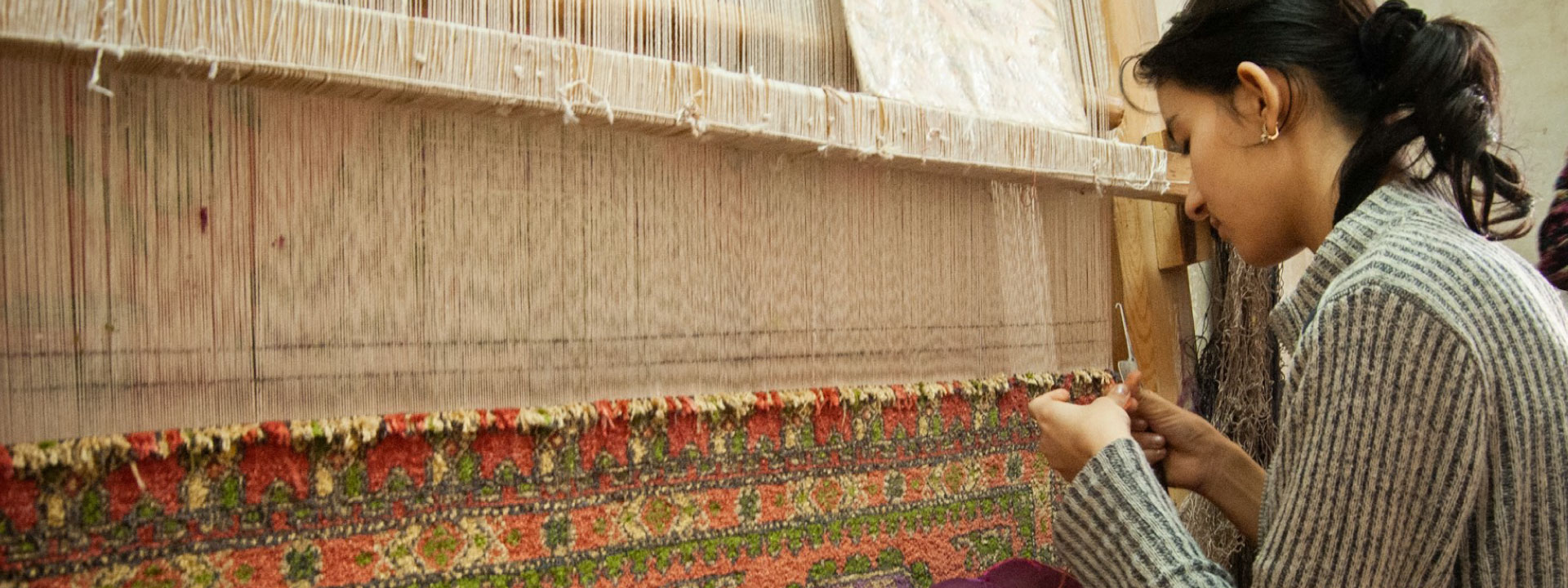
I remember my father playing the santur, a traditional Persian instrument, from early morning until evening. My mother found balance in watching films. Through these creative activities, they nurtured their mental health. We should invest more in accessible, low-cost activities like calligraphy, sewing, embroidery, drawing, and painting. Free workshops should be available to all, not just for creating art but as an encouragement for self-care.
Today, mental health is discussed more openly, but support remains limited. In Ontario, therapy costs between $100 to $150 per hour. Many people do not have private insurance, and those who do often receive only $500 to $1,000 in coverage per year. This covers just a few sessions, which is insufficient for meaningful mental health treatment.
The COVID-19 pandemic exposed the fragility and inequalities of our systems but also highlighted the crucial role art plays in times of crisis. Art served as a mirror, a balm, and a bridge across isolation. Moving forward, we must not rely solely on institutions to solve these challenges. Empowering individuals to care for themselves and their communities is essential. Supporting accessible opportunities for art-making and creative expression is not a luxury but a necessity. In preparing for an uncertain future, art remains a quiet but revolutionary force, a space where healing, reflection, and resistance meet.
© Rojin Shafiei, 2025.
All texts are published with the permission of the artist. The creation and publication of this work was made possible with the support of Canada Council for the Arts, Government of Canada, Ontario Arts Council, and Government of Ontario.